
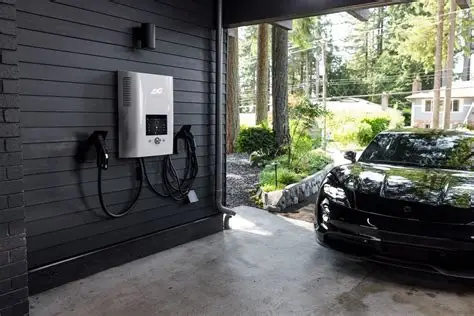
Synergy offers professional installation of home EV charging stations in the Gig Harbor and surrounding areas. Here are some things to know if you’re considering buying an electric car:
Installing an electric vehicle (EV) charging station at home can make daily driving more convenient, affordable, and efficient. While many EVs can be charged using a standard household outlet, a dedicated Level 2 charger is often the better choice for homeowners who want faster charging. Level 2 chargers typically operate on a 240-volt circuit and can add significantly more driving range per hour than a basic Level 1 charger. Before choosing a system, homeowners should consider their vehicle’s charging capacity, daily driving needs, available space, and budget.
A trusted, licensed electrician should evaluate the home’s electrical system before installation begins. The electrician will check whether the electrical panel has enough capacity to support the charger and determine whether a new circuit, wiring, breaker, or panel upgrade is needed. Older homes or properties with heavily used electrical panels may require additional work to prevent overloads and ensure safe operation. The electrician can also recommend the appropriate charger amperage and confirm that the installation complies with local electrical codes.
The charger’s location is another important consideration. Most homeowners install charging stations in a garage, carport, or driveway near the vehicle’s usual parking space. The electrician should install the unit where the cable can reach the vehicle without creating a tripping hazard or being exposed unnecessarily to weather, moisture, or physical damage. Outdoor installations require equipment rated for outdoor use, along with suitable weatherproof wiring and protective covers. The mounting surface should also be stable and accessible for future maintenance.
Homeowners should ask about permits, inspections, warranties, and total installation costs before work begins. Depending on the location and complexity of the project, expenses may include the charger, labor, permits, electrical upgrades, trenching, or longer cable runs. A reputable electrician should provide a written estimate that explains each part of the job and should use equipment certified by a recognized safety organization. It may also be worth checking with local utilities or government programs for available rebates or incentives, although eligibility requirements can vary.
Once installed, an EV charger generally requires little maintenance, but it should still be inspected periodically for damaged cables, loose connections, overheating, or signs of moisture. Homeowners should follow the manufacturer’s instructions, avoid using extension cords unless specifically approved, and keep the charging area clear. Choosing a qualified electrician rather than attempting a complex do-it-yourself installation helps protect the home, vehicle, and occupants while ensuring the charger operates reliably for years to come.